
How values and beliefs work together
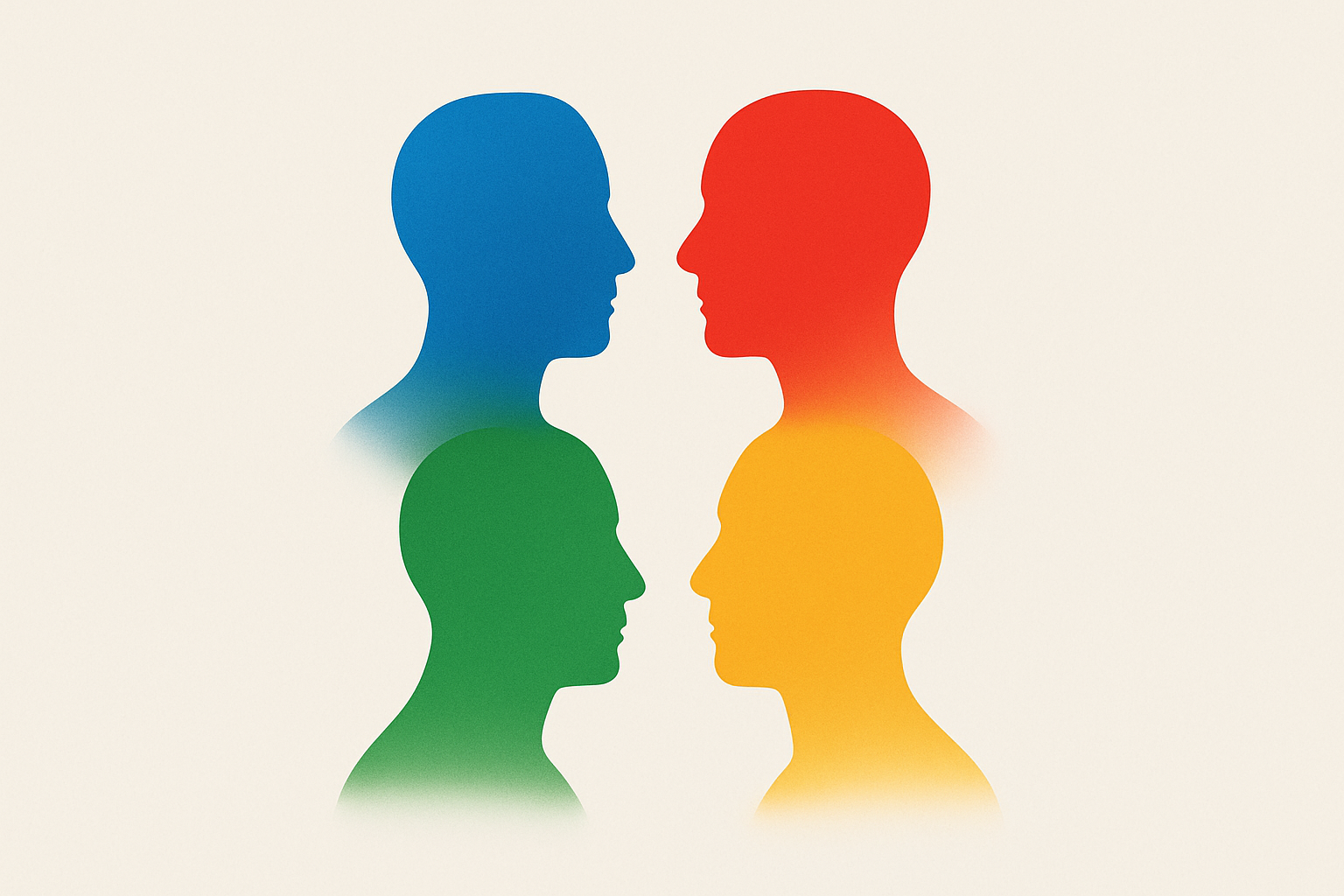
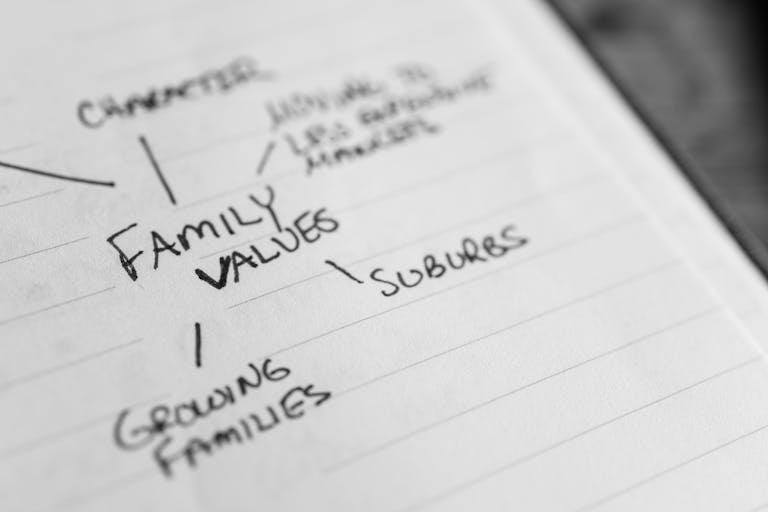
Values and beliefs are often spoken about as if they are the same thing, and it is easy to see why. Both shape our choices, both influence how we show up in the world, and both can be hard to pin down because they operate quietly in the background. Yet there is an important difference. Values are the things that matter most to us, the compass points we want to live by. Beliefs are the stories we carry about how the world works and what is possible for us. Where values ask the question “What do I stand for?”, beliefs answer “What do I think is true?”.
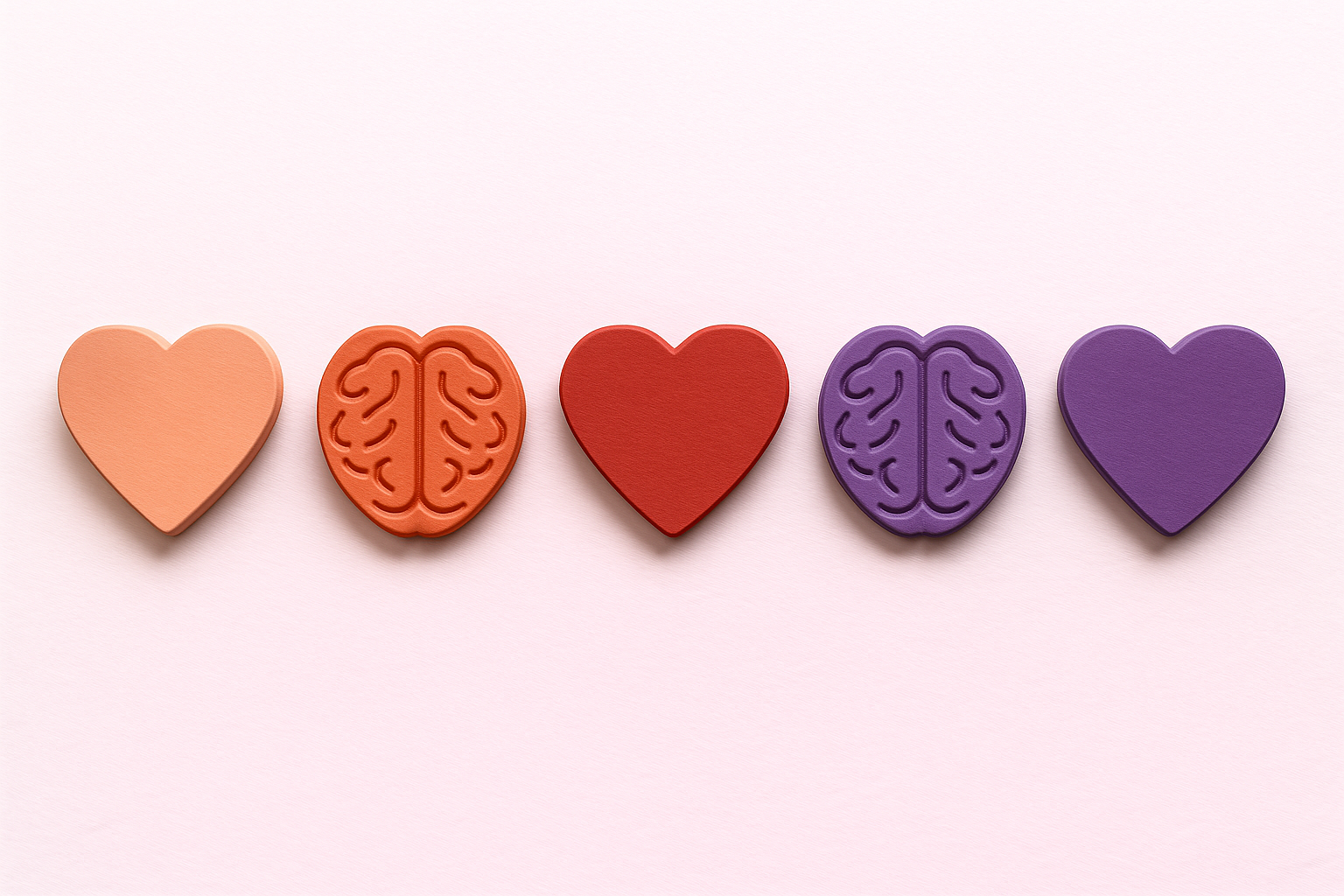
You can feel the distinction when you are faced with a decision. Imagine being offered a role that requires more travel and longer hours. If you value family and connection, part of you will want to protect time at home. If you also value growth and contribution, part of you will be drawn to the opportunity. Both values are real, which is why the decision is difficult. Beliefs then step in and shape the meaning. If you believe big opportunities are rare, you may feel you cannot say no. If you believe children are harmed by an absent parent, you may feel you cannot say yes. The values highlight what matters, the beliefs colour how you interpret the choice. This is why values and beliefs are best understood together. Values without beliefs can remain abstract, like noble words that sound good on a page but never translate into action. Beliefs without values can feel reactive, like stories running unchecked, guiding behaviour in ways that may not reflect who you want to be. It is when the compass of values lines up with the lens of beliefs that life feels coherent. A value of honesty combined with a belief that truth builds trust gives you courage to have hard conversations. A value of growth alongside a belief that skills can be learned encourages you to try, fail, and learn again.
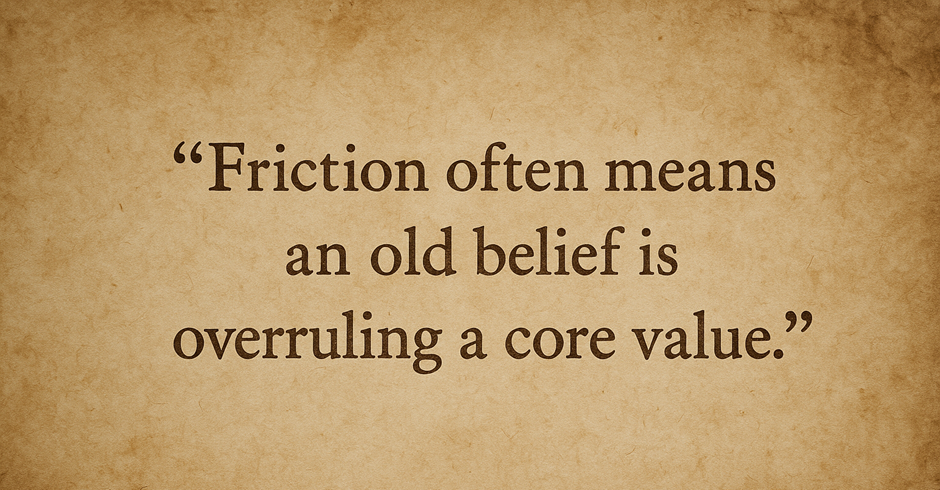
Of course, the opposite can happen too. When values and beliefs pull against each other, it creates inner friction. You might value health but believe success only comes from overwork, leaving you torn between rest and achievement. You might value kindness but believe that people will exploit generosity, leading you to hold back instead of acting on what matters. Often the discomfort we feel is not because our values are unclear but because an old belief is overruling them.
Recognising the difference helps you intervene. Values tend to be steadier, the principles that remain through different seasons of life, even as their expression shifts. Beliefs are more fluid, shaped by experience, context, and repeated messages. That makes them easier to test and change. By naming your values and then noticing the beliefs that either support or block them, you create space to ask better questions. Is this belief really true? Is it still serving me? What new belief might allow my values to come through more fully?
When values and beliefs align, decisions feel cleaner, energy flows more easily, and your actions reflect both what matters to you and how you see the world. When they clash, the signal is not failure but invitation: pause, notice, and choose to bring your stories back into harmony with your compass. It is in that harmony that people often find both clarity and peace, because they are no longer fighting themselves.
This piece is the third article in a series exploring values and beliefs. Next, I will explore limiting beliefs, the ways they quietly hold us back, and how loosening them can free us to live more closely in line with what matters most.