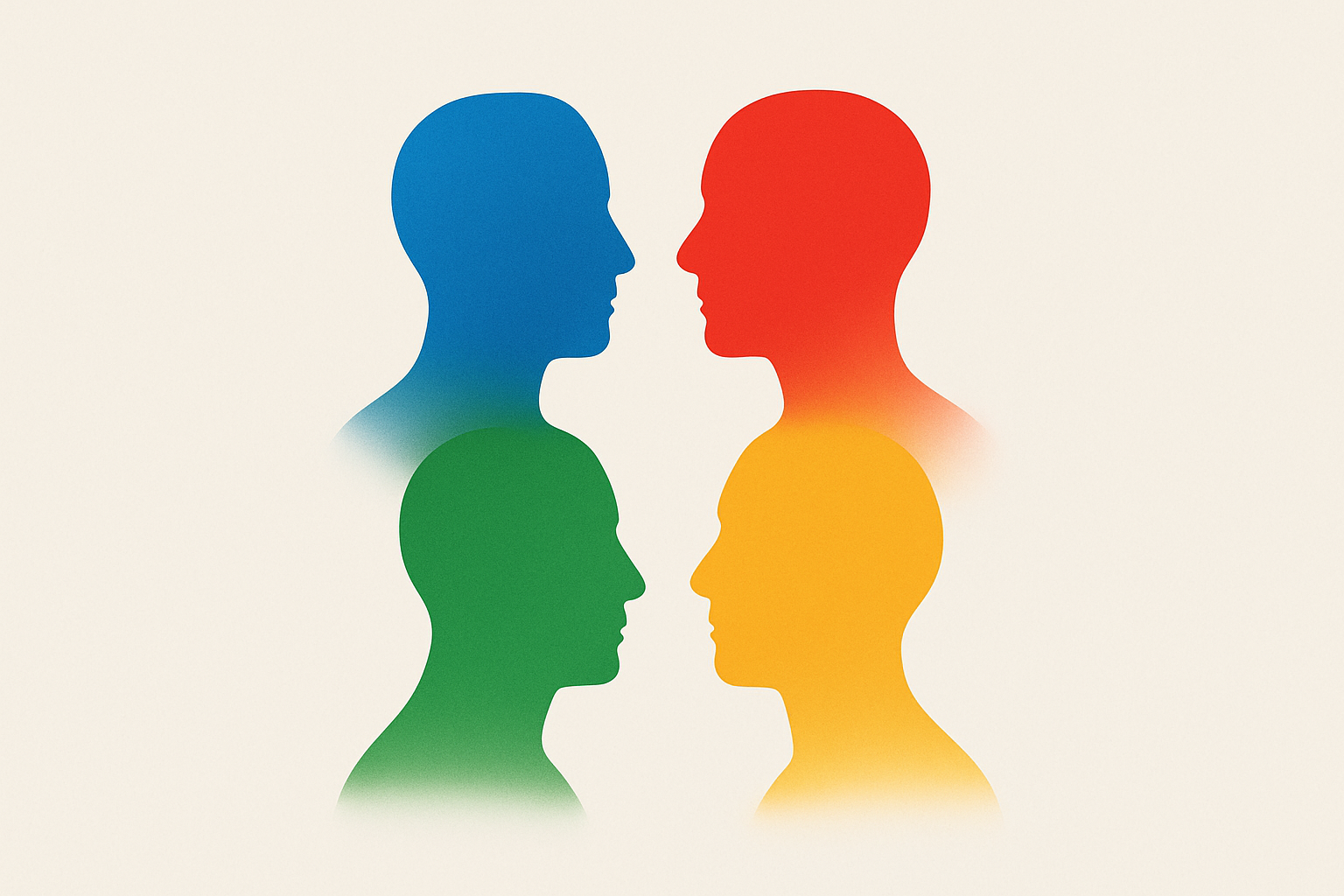

When what mattered then no longer matters now
One of the most surprising discoveries people make in midlife is that what once mattered so fiercely no longer carries the same weight. This is not failure or inconsistency, it is simply the natural rhythm of values shifting as life unfolds. In our twenties, many of us are driven by growth, adventure, and the thrill of proving ourselves. We say yes to almost everything, chasing opportunity, collecting experiences, and defining who we are. Then, as life grows fuller, other values begin to rise. Stability, health, contribution, family, or balance starts to take their place alongside, or sometimes above, the earlier ones. It can feel unsettling when something that once pulled you with such energy no longer holds the same power, yet it is often a sign of maturity rather than loss.
Think about the person who once prized career ambition above all else, working long hours and travelling constantly, only to find that after becoming a parent the pull of family and presence at home is impossible to ignore. Or the person who once valued security above all else, working steadily for decades, who then in their fifties feels a sudden desire for freedom and reinvention, even if it means risk. These shifts do not mean earlier values were false, they meant something at the time, but as seasons change so do the priorities that guide our choices.

The challenge comes when we resist these shifts, clinging to an older set of values because they feel familiar or because we believe consistency means never changing. Someone may keep pushing for promotion long after the thrill has worn off, feeling strangely hollow when the success lands. Another may keep saying yes to social commitments out of loyalty to a younger self that thrived on activity, even though what they now long for is more space and quiet. When we ignore the evolution of our values, life can start to feel out of step, as if we are living according to an old script.
Naming the shift can be liberating. You might realise that what once was a value of achievement has softened into a value of impact, where you no longer crave recognition but care deeply about making a difference. Or that a value of independence has stretched into interdependence, where asking for support no longer feels like weakness but part of a richer life. Recognising that values are not fixed but responsive to life’s stages gives you permission to update how you live, rather than trying to force yourself to remain who you were ten or twenty years ago.
Of course, some values remain steady. Integrity, kindness, honesty, or curiosity may show up at every stage, but even then, the way you live them changes. Curiosity in youth might look like travel and exploration, while later it may show up as mentoring, reading deeply, or exploring inner landscapes. Integrity in early career may mean following rules and showing diligence, while later it may mean standing firm in your own principles even when they conflict with an organisation’s direction. Stability in core values does not mean sameness, it means a thread running through different expressions.
When you pause to reflect on what matters to you now, you may find the tension you are feeling is not from confusion but from holding on to an outdated map. By bringing the new values to light, you can realign your choices so that work, relationships, and lifestyle flow more easily. Sometimes this means gentle course correction, other times it means larger reinvention, but in both cases the energy returns once your outer life catches up with your inner truth.
This piece is the fifth article in a series exploring values and beliefs. Next, I will turn to values in action, looking at how these guiding principles can move from abstract words into practical choices that shape daily life, work, and relationships.