Why personality tests leave you wanting more
Chances are you’ve taken a personality test before. Maybe you know your MBTI type (ENFP, ISTJ), or one of those mysterious four-letter codes. Or maybe you’ve come across the 16 Personality Factors (16PF), which digs even deeper with traits like warmth, dominance, and sensitivity. These tests can feel spot on. You read the description and think, “That’s me to a tee.” They’re great at sparking self-reflection. But here’s the thing: most of the time they stop right there. They tell you who you are on the inside, but they don’t always help you work out what to actually do differently tomorrow at work or at home. That’s why I’ve found myself (and many of my clients too) wanting more than just a personality label. It’s not enough to know what’s going on inside. We need something that makes sense in the moment, whether that’s in a meeting, a tough conversation, or when we’re trying to break an old habit.
Personality tests vs. behavioural assessments
Let’s clear up the difference between personality tests and behavioural assessments. Personality tests, like MBTI or 16PF, dive into your inner world. They explore your preferences, how you think, and what motivates you deep down. That can be fascinating, but sometimes it feels a bit abstract.
Behavioural assessments, on the other hand, focus on your outer world. They look at what other people can actually see: the way you communicate, how you handle challenges, how you respond to change, and how closely you follow rules. And here’s the big advantage: if you can see it, you can change it.
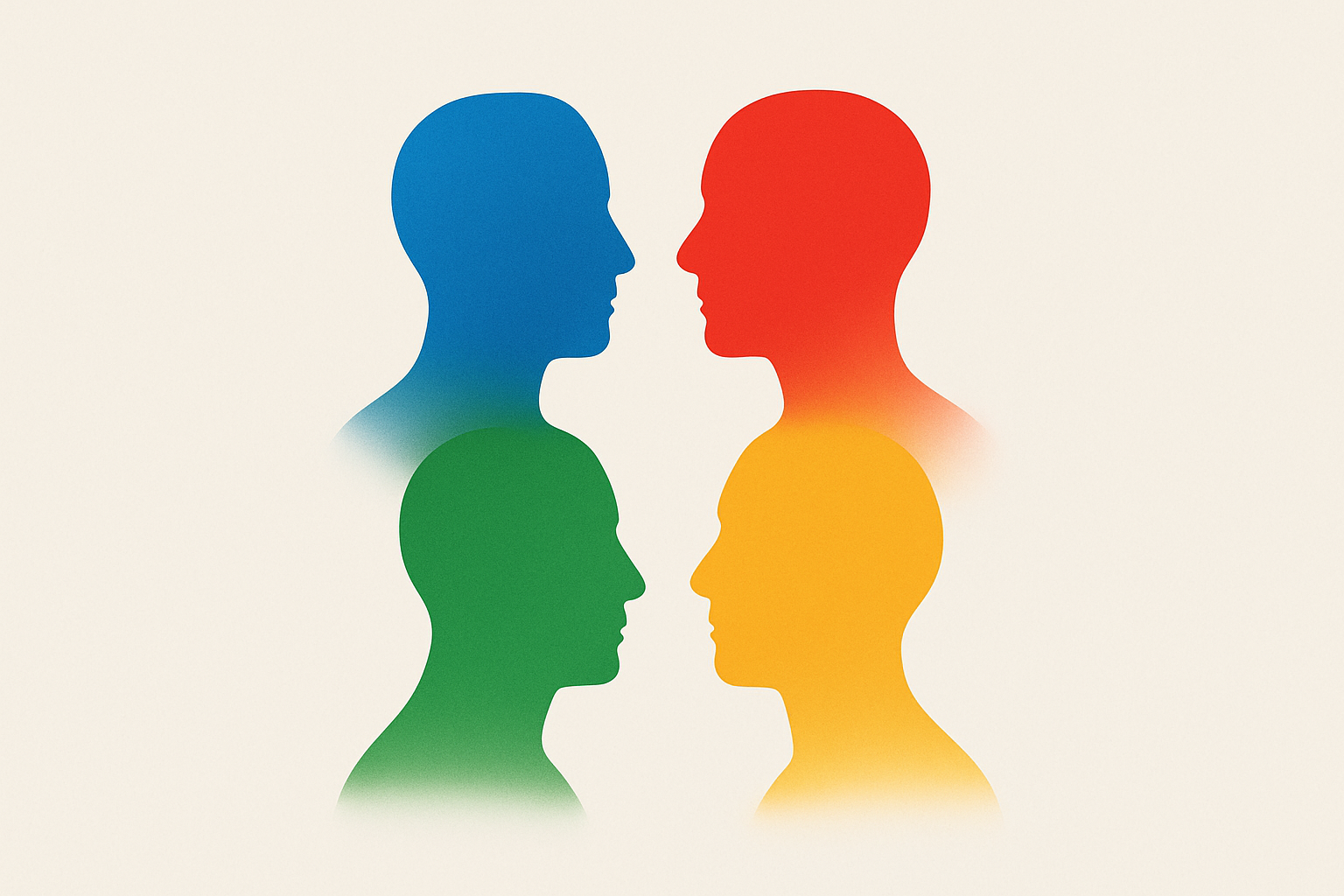
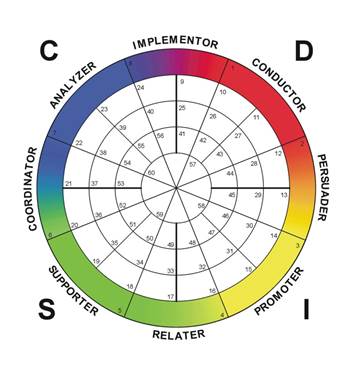
DISC is a framework that explains four core patterns of behaviour. The letters stand for Dominance, Influence, Steadiness, and Compliance. People with more Dominance in their style tend to be decisive and focused on results. Those with more Influence are usually outgoing, persuasive, and people oriented. Steadiness shows up as patience, reliability, and a preference for stability. Compliance reflects a focus on detail, accuracy, and following rules. This is a short and simplified explanation.
Most of us are not just one of these. We carry a unique blend of all four, with some stronger than others. That blend shapes how we approach challenges, how we communicate, and how we adapt when things change. DISC doesn’t box you into a personality type. Instead, it gives you a language for your behaviour and shows you how to flex it. Think about it this way: MBTI might tell you you’re an introvert. That’s interesting, but what are you supposed to do with that information tomorrow at work? DISC might tell you you’re high in Dominance. That means you’re direct, decisive, and maybe even a bit blunt when the pressure is on. Suddenly you’ve got something tangible to work on: slowing down, listening more, or inviting others into the conversation.
That’s why DISC sticks. Years later, people still remember if they were high D, I, S, or C, but most can’t recall their MBTI letters without checking.
Why TTISI’s DISC is different
There are plenty of DISC assessments out there, but not all of them are created equal. The version developed by TTI Success Insights has been refined over more than 35 years and is trusted by organisations around the world. What makes it stand out is the way it combines solid science with practical application.
- First, it is accurate and reliable. The assessment has been tested and re-tested, and the results hold up. In plain language, the patterns it shows you are consistent and trustworthy.
- It is also built for real life. TTISI’s DISC is used in coaching, leadership development, and even in hiring. It meets equal opportunity standards, which means it has been checked for fairness.
- Another strength is that it gives you the whole picture. Instead of sticking you with a single label, it looks at all four DISC factors, including the ones you score lower on. This creates a richer and more useful profile that really reflects the mix of behaviours you bring.
- And finally, it stays with you. Because the model is simple, people remember it. More importantly, they use it. As one client put it, the results were “shockingly accurate.” But the real value is that they walked away with ideas they could put into practice straight away.
Why most people don’t change
Here’s the honest truth. Most people take an assessment, enjoy the big “aha moment,” and then never do anything with it. The excitement fades, life gets busy, and the report ends up in a drawer. Old habits creep back in, and nothing really changes. It’s not because people don’t want to grow. It’s usually because there are no clear steps, no accountability, and no one guiding them through the process. That is where coaching makes all the difference.
When I work with someone on their DISC results, we do not stop at the report. We turn it into a plan. I use worksheets and practical exercises to help people pick one or two behaviours to focus on. We follow this up with coaching sessions that create space to reflect, practise, and adjust. Clients often find that the real growth comes in these follow-on conversations, where we look at how the insights are showing up in daily life and what needs tweaking.
Change also sticks better when you have someone walking alongside you. A coach provides accountability, but I also encourage clients to keep the language of DISC alive with their colleagues and teams. When everyone knows the shorthand, it becomes easier to adapt to each other and to support one another’s growth. This is why DISC often delivers better long-term results than personality tests. It is built for action. And when you combine that with a structured follow-up process, the right tools, and supportive coaching, you do not just understand yourself better, you actually start showing up differently.
Final word
Personality tests like MBTI are great for sparking self-awareness. They can give you that moment of recognition where you think, “Yes, that sounds like me.” But if your goal is to grow, to shift the impact you have on others, and to work more effectively with the people around you, awareness alone is not enough. This is where DISC really helps. It gives you a simple and memorable way to understand your behaviour, and with the right guidance it becomes more than just a description. Through coaching, I help people take their DISC results and turn them into practical steps they can apply straight away, whether that is improving communication, navigating conflict more calmly, or building stronger relationships at work and at home.
Self-awareness is only the starting point. What really matters is what you do with it. My role is to give you the tools, the worksheets, and the follow-up coaching to make sure the changes you want actually take root. If you are curious about what your own DISC profile might reveal, or you want support in putting those insights into action, I would love to work with you. Together we can create a plan that makes your growth real and lasting.
This article is the first step in a bigger journey. In the next pieces, I will dive into Driving Forces (the “why” behind your behaviour) and Emotional Intelligence (how well you manage yourself and connect with others). Each one builds on the last. DISC helps you understand how you act, Driving Forces explains why you do it, and Emotional Intelligence shows how well you manage and adapt along the way. Put together, they create a powerful toolkit for both personal growth and working better with others.
Next up: Why we do what we do: The power of Driving Forces. The practice is ongoing, because life keeps moving and so do we. What matters is that you keep turning toward what feels true, and keep choosing it, one decision at a time.
Get your own DISC assessment here – Note this is more than an assessment, You’ll get the full package: your personalised assessment, an in-depth report, a one-on-one debrief, practical improvement activities, and follow-up coaching to lock in real change.