Neuroplasticity in coaching: How your brain rewires for change
Coaching is, at its heart, about helping people change for the better, whether it’s in personal development, leadership, sport, or everyday life. It’s about breaking old patterns, building new ones, and opening fresh ways of thinking or acting. And all that rests on one simple but powerful fact: for change to stick, your brain has to change too.
That’s where neuroplasticity comes in. It’s the brain’s ability to adapt and reorganise itself, forming new connections between neurons. It’s the reason we can learn a skill at fifty that we didn’t know at fifteen or replace a habit that’s been with us for decades. Neuroscience-based coaching is built on this idea, that if the brain can keep changing, we can keep improving.
As one coach and researcher put it, neuroplasticity is “the brain’s remarkable ability to reorganise itself by forming new neural connections throughout life… underlining the potential for us as humans to change, to develop new skills, habits, and mindsets through targeted interventions and practices.” That’s a pretty inspiring thought for anyone looking to grow.
How coaching taps into the brain’s adaptability
When you work with a coach, you’re not just talking about change, you’re training your brain to make it happen. Take someone with a fear of public speaking. At the start, their brain is wired for anxiety, negative self-talk, racing thoughts, maybe even physical symptoms.
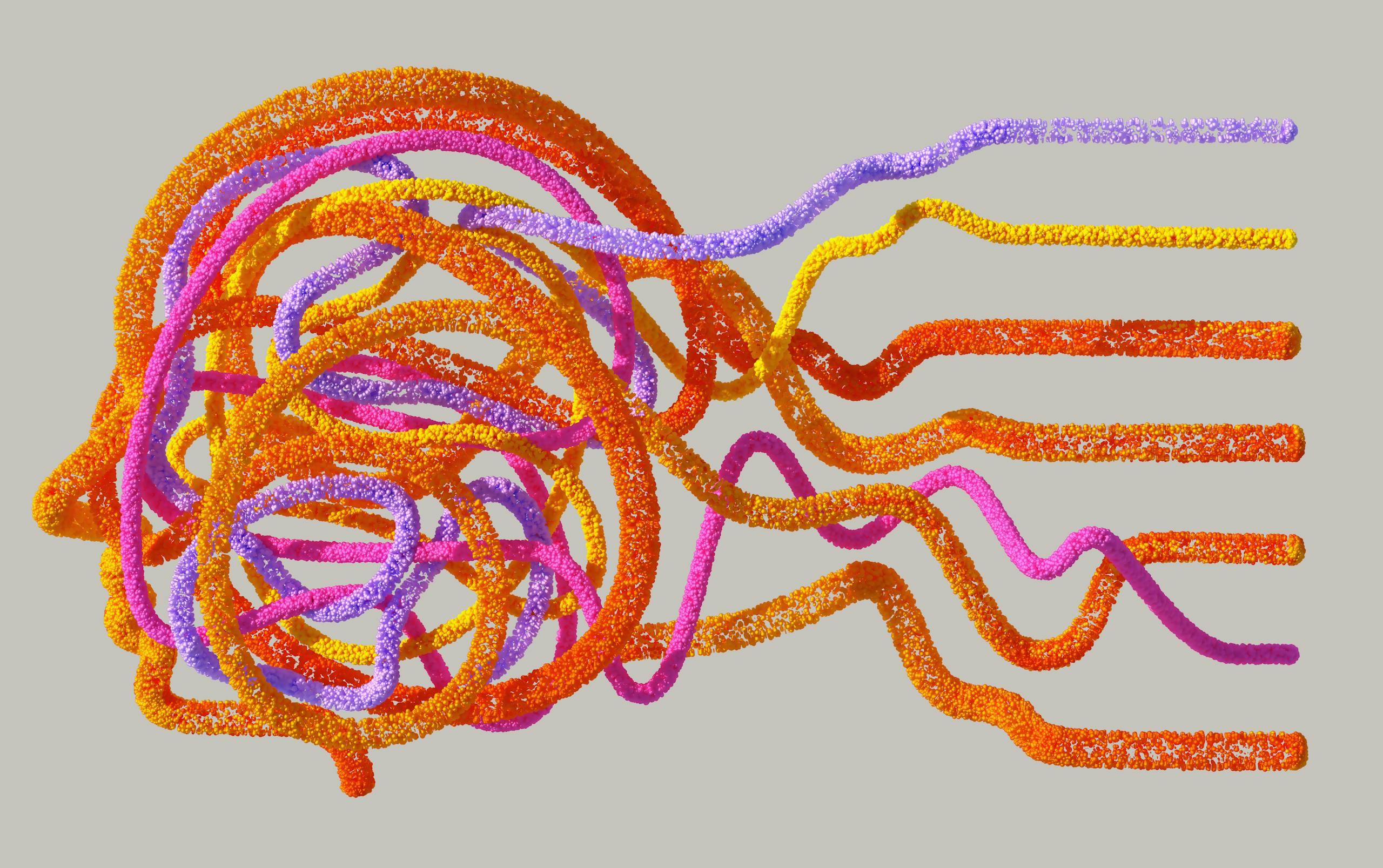
Through coaching, they might learn new techniques to calm themselves, reframe their thinking, and practise speaking in a safe environment. Every time they try something new, maybe a breathing technique or a different way of structuring a talk, they’re forming fresh neural pathways. The more they practise, the stronger those pathways become, while the old “fear” circuits fade. Over time, the brain literally rewires itself for confidence instead of anxiety.
That’s neuroplasticity in action: repeated, focused effort creating lasting change.
The science behind common coaching techniques
A lot of what coaches do lines up neatly with what neuroscience tells us about learning. Setting clear, achievable goals isn’t just good planning, it activates parts of the brain that focus attention and direct effort. Breaking a big skill into smaller steps means the brain can build mastery one layer at a time. Celebrating small wins isn’t just feel-good fluff either. Every time you succeed, your brain releases dopamine, a chemical linked to motivation and reward. That dopamine hit reinforces the behaviour, making it more likely you’ll repeat it.
Coaches use this to keep momentum going. recognising progress, offering encouragement, and helping you stack up small successes until they add up to big change.
Mental strategies play a role too. Visualisation, for example, lights up many of the same brain circuits as actually doing the thing. An athlete imagining the perfect serve or a leader rehearsing a tough conversation is priming their brain for success. Mindfulness works differently but is just as powerful. Regular practice has been shown to strengthen the brain’s self-regulation systems and calm down overactive stress responses. That’s why reflection and mindfulness often sit alongside action planning in effective coaching.
Why real change takes time
Here’s the thing, rewiring the brain doesn’t happen overnight. Deeply ingrained habits can take weeks or months of consistent practice to shift. Coaching provides the structure and feedback that make this possible. It keeps you engaged long enough for the brain to build, strengthen, and stabilise those new connections.
In the end, the changes you notice in your habits, skills, or mindset are the visible results of invisible work, the brain reshaping itself to support the person you’re becoming. Coaching, at its best, isn’t just conversation. It’s guided brain training for real life.