
The stories we live by
If values are what matters most to us, beliefs are the stories we hold about how the world works and about who we are in it. They are the running commentary that shapes what we notice, what we expect, and what we attempt. Many of these stories are inherited without us realising it, a parent’s throwaway line about money becoming truth, a teacher’s praise for being the sensible one becoming identity, a workplace culture quietly teaching that self-sacrifice equals commitment. Over time the stories layer up and harden into rules, work first then you can rest, conflict is dangerous, creativity belongs to other people, and because the rules live in the background, we rarely hold them up to the light. We simply act as if they are facts.
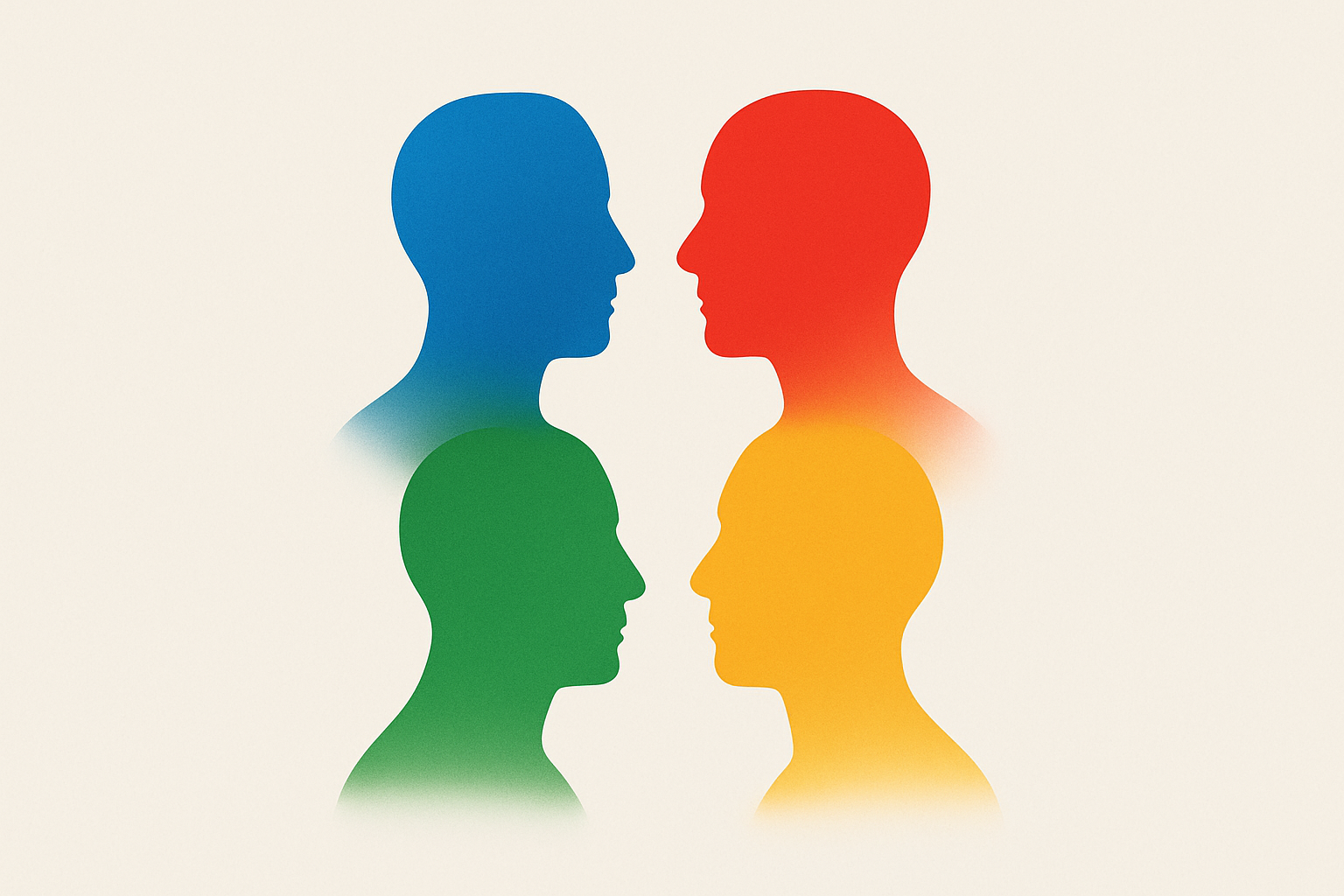
Beliefs are powerful because they filter experience before it reaches conscious thought. Two people can sit in the same meeting and live two different realities. One person holds the belief that feedback is a gift, they lean forward, ask questions, turn notes into experiments. The other holds the belief that feedback is proof of failure, their chest tightens, they defend, they leave with a promise to avoid the spotlight. Both people heard similar words, the belief shaped the meaning. This is why a change in belief can feel like the room brightened, nothing external needs to shift for a new option to appear, I could try, I could ask, I could say no, I could start again.
Some beliefs come from direct experience, a venture went badly, therefore I am not entrepreneurial, a relationship ended, therefore I am not good at relationships. We treat a single chapter as the whole book, then we live to the script. Other beliefs come from repeated messages, cultural or organisational or familial, that slowly settle into the body. If you grew up around scarcity talk, money does not grow on trees, you may feel a jolt of fear each time you invest in yourself, even when the numbers make sense. If you were rewarded for being helpful, you may find it almost impossible to prioritise your own needs without a wash of guilt. None of this means you were naïve, it simply shows how human learning works, we absorb patterns, then we behave as if they are laws.
Beliefs do not only hold us back, but many of them also serve us well. I can learn new skills, people are mostly doing their best, small steps add up, these can steady us during change, and they often turn effort into momentum. The trouble begins when an old belief is applied to a new season without review. A belief that worked beautifully in your twenties, say yes to everything and figure it out later, may clash with the life you want in your forties, where depth, health, and family time matter more. Beliefs are not sacred, they are tools, and tools need sharpening, retiring, or replacing as the job changes.
Because beliefs feel like facts, bringing them into awareness takes a gentle kind of curiosity. Notice phrases that begin with always, never, or I am the kind of person who, since these often signal a belief at work. Track your reactions, the places you feel stuck, the moments you avoid even simple actions, I should email her back, but I will do it tomorrow, I could post that idea but it is not original, I will apply when I am more qualified. When you slow these moments down you can hear the story underneath. Is it true, where did I learn it, what else could be true, what would I do if I held that alternative for a week. You are not trying to bully yourself into positive thinking, you are experimenting with a different lens to see whether it fits the reality in front of you.
It helps to test beliefs in the small, not just the grand. If you hold the belief that you are not creative, pick one everyday problem and generate five scrappy solutions, then try the least perfect one and see what happens. If you believe you must be ready before you start, choose a tiny action that proves movement creates readiness, book the conversation, open the blank document, take the first class. If you believe asking for help makes you a burden, invite one trusted person into a specific task and notice the relief or even the connection that follows. Each time a result contradicts the old story, the belief loosens a little. You are not faking it until you make it, you are collecting better evidence.
Beliefs about identity are particularly sticky, I am a fixer, I am the strong one, I am the quiet one, because they come with status, belonging, and predictability. These identities may have helped you succeed, yet they can also narrow your choices. The fixer might forget that other adults are capable, the strong one might never share their own need for support, the quiet one might leave ideas on the table that would change the project. Expanding an identity does not mean abandoning what you are good at, it means allowing more truths to sit alongside it, I am strong, and I sometimes ask for help, I am thoughtful and I can speak when it matters, I am capable and I am still learning. The story grows, and with it the life you can build.
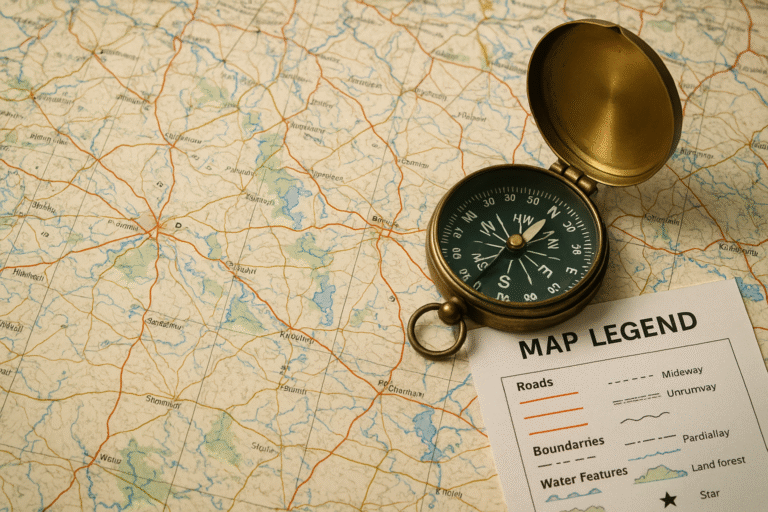
If values are the compass, beliefs are the map legend, they tell you what the symbols mean and therefore which roads seem possible. You can value freedom and still feel trapped if you believe you must keep everyone happy. You can value family and still struggle to be present if you believe rest must be earned. Clarity about beliefs does not magically fix everything, however it does remove the invisible barriers that make simple shifts feel impossible. With that clarity you can make cleaner choices, ask truer questions, and take action that honours what matters most.
This piece is the second article in a series exploring values and beliefs. Next up, I will look at how values and beliefs differ in practice.